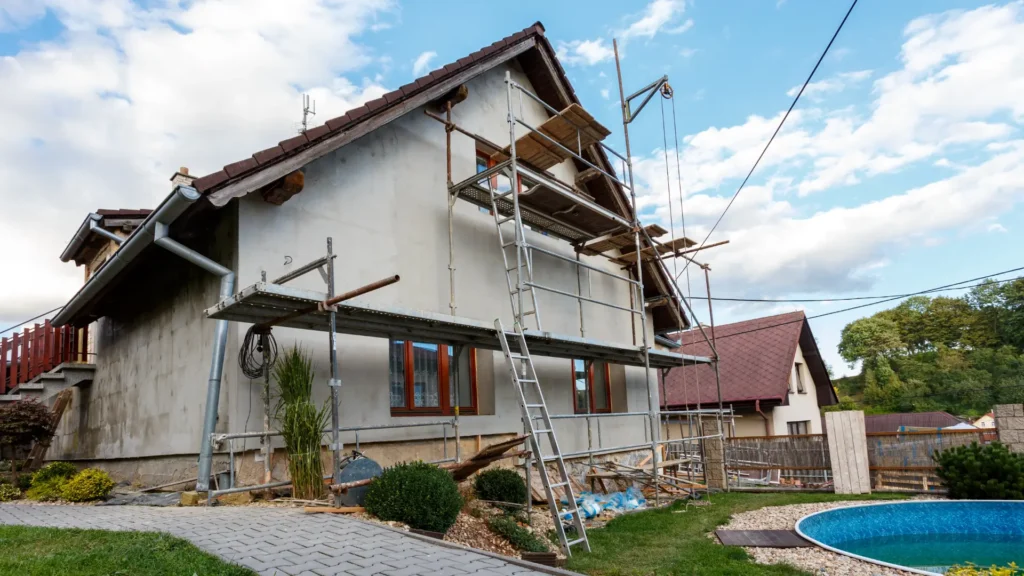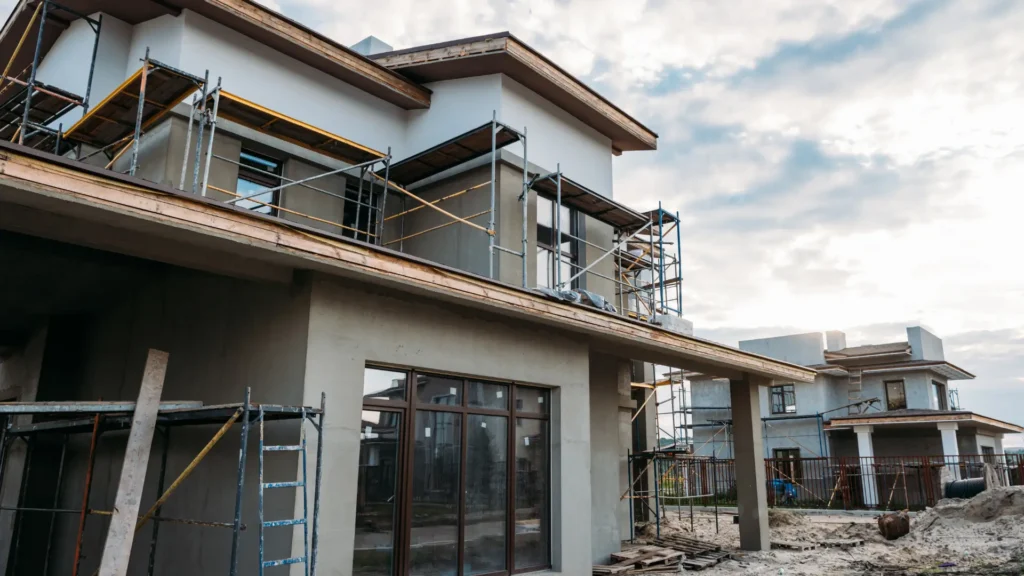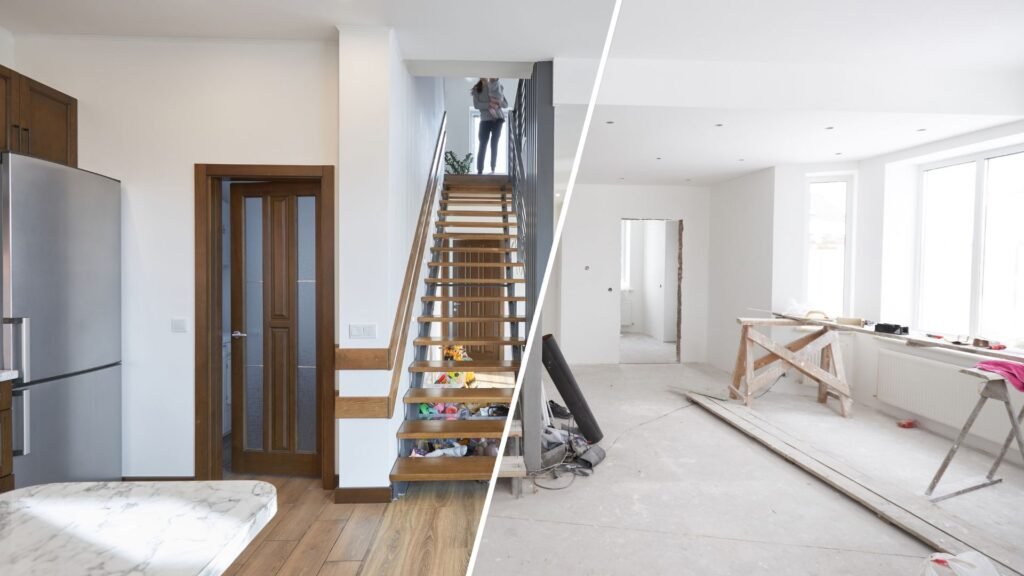
Welcome to your go-to guide for understanding home renovation costs in NZ. Whether you’re upgrading a tired kitchen, refreshing your bathroom, or tackling a full home makeover, it’s easy to get overwhelmed by pricing, permits, and planning. This guide breaks down everything you need to know about renovation costs in 2025, from average price ranges and hidden fees to budgeting tips and real-life examples. If you’re a homeowner in New Zealand looking to renovate smart and avoid costly surprises, this is the place to start.
Home renovation costs in NZ typically range from $20,000 to over $150,000, depending on the scope of work. Minor cosmetic updates may cost around $20,000–$50,000, while full-scale renovations with structural changes can exceed $150,000. Key factors include location, materials, labour, and consent requirements.
Table of Contents
Average Renovation Costs In NZ
Renovating a home in New Zealand can be a smart investment, but knowing what to expect financially is key. Whether you’re refreshing a single room or reworking the entire structure, understanding the typical costs involved helps you plan more effectively and avoid unexpected surprises.
Below is a simple breakdown of average renovation costs across NZ in 2025. These estimates provide a general idea of what homeowners usually spend depending on the scope of their project. Keep in mind that your actual costs may vary based on your location, chosen materials, and the complexity of the work.
Average Home Renovation Costs In NZ
- Minor Renovation (Cosmetic Upgrades): $20,000–$50,000
Includes painting, flooring, new light fixtures, basic kitchen or bathroom fittings, and minor repairs. Ideal for homeowners wanting to refresh their space without changing the structure or layout. - Mid-Range Renovation (Kitchen, Bathroom, Flooring): $50,000–$150,000
Covers significant upgrades to kitchens or bathrooms, new flooring throughout the home, and possibly a small layout change. Typically includes both material and labour costs, as well as plumbing and electrical work. - Full Renovation (Structural Changes): $150,000+
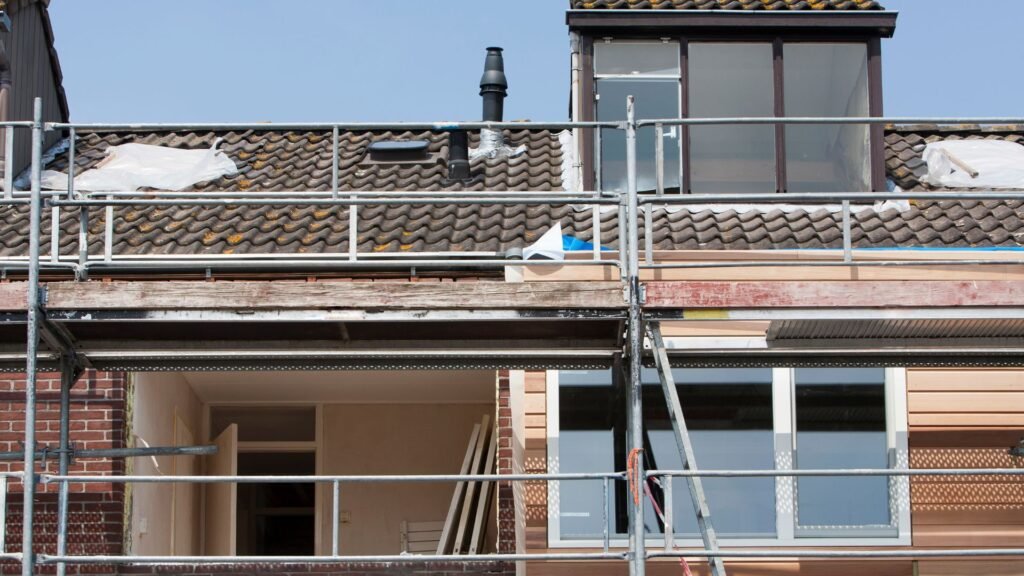
Involves major work such as moving walls, adding rooms, re-roofing, foundation work, or full internal remodels. This usually requires building consents, architectural plans, and professional project management.
These ranges are based on current market data and industry trends, but no two renovation projects are exactly the same. For example, a $50,000 kitchen renovation in Auckland could cost less in Christchurch due to differences in labour rates and material availability. Costs also fluctuate depending on finishes, luxury tiles or imported fittings will push your budget higher, while standard, local materials can help you save.
Understanding the typical renovation cost tiers can help you set a realistic budget from the start. Always request detailed quotes, and don’t forget to include a contingency fund for unexpected issues like hidden damage or consent delays. This way, you’ll stay on track both financially and timeline-wise.
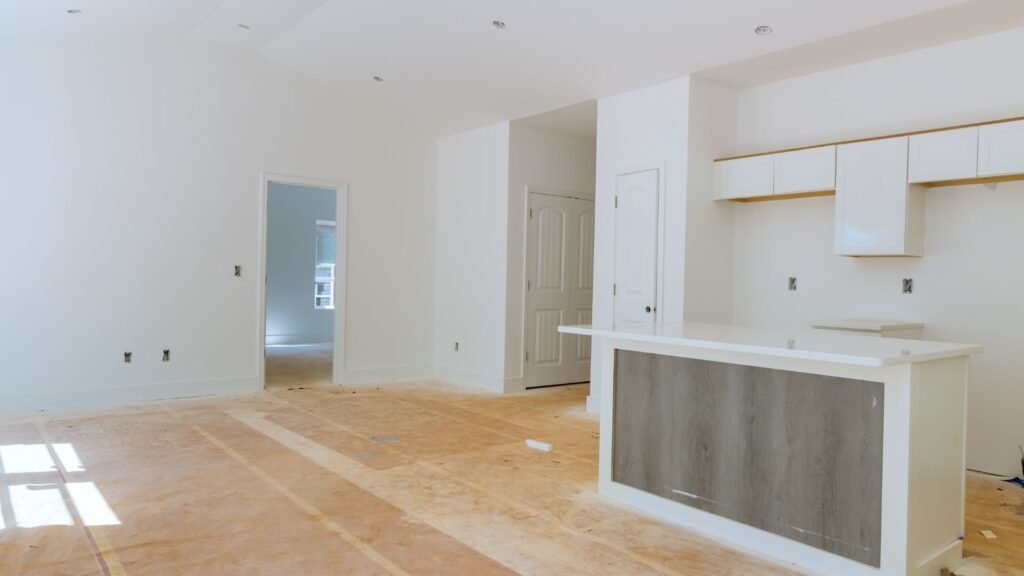
Key Factors That Influence Renovation Costs
Before you start any renovation project, it’s important to understand what drives the cost. Home renovation costs in New Zealand aren’t one-size-fits-all, they vary based on several key factors. Whether you’re updating a bathroom or renovating your entire home, these points will help you budget more accurately and avoid surprises along the way.
- Type Of Property
The kind of home you’re renovating affects the overall cost. Older villas often require more work due to outdated wiring, plumbing, or hidden damage behind walls. These homes can be more fragile and may need specialist trades. In contrast, newer townhouses or standalone properties built after the 1990s might be easier and cheaper to update because they’re built to modern standards. - Location
Where you live in New Zealand plays a big role in your renovation budget. Costs in Auckland are usually higher due to increased demand, higher labour rates, and more expensive materials. In smaller cities like Dunedin or Invercargill, tradespeople may charge less, but you could face delays due to limited availability of materials or specialist contractors. - Scope Of Work
The extent of your renovation is one of the biggest cost indicators. Cosmetic changes like painting, new flooring, or installing cabinets are usually affordable and don’t require council consent. Structural changes, like knocking down walls, extending rooms, or shifting plumbing, will cost significantly more due to complexity, engineering reports, and permits. - Quality Of Materials
The materials you choose directly affect your bottom line. Budget-friendly options may help you save in the short term but could wear out faster. Higher-end materials like hardwood flooring, stone benchtops, or imported tiles offer durability and style but come with a higher price tag. The best choice depends on your goals and how long you plan to stay in the home. - Council Consents And Permits
Some renovation work requires approval from your local council. This includes anything that changes the structure, layout, or plumbing. Applying for consent adds both time and cost to your project. It’s important to factor in consent fees, inspection charges, and potential delays while waiting for approvals. - Labour Costs And Trade Availability
Labour makes up a large portion of renovation costs in NZ. Prices vary based on region, demand, and the type of work involved. Electricians, plumbers, builders, and tilers all charge different hourly rates. During busy seasons or in high-demand areas, you might face higher costs or longer wait times to book qualified professionals. - Timeline And Project Delays
The longer a project takes, the more it costs. Delays can happen for many reasons, weather, supply chain issues, changes in the plan, or trades not showing up on time. Each delay adds extra expenses, especially if you’re paying rent elsewhere or managing a project full-time. Keeping your timeline realistic and well-organized helps reduce financial stress.
Understanding these cost factors puts you in a better position to plan, budget, and negotiate with contractors. Every renovation is different, but keeping these points in mind will help you make smarter decisions from the start.
Renovation Cost Breakdown By Area
When planning a home renovation in New Zealand, it’s important to understand where your money is likely to go. Each area of your home comes with different cost considerations, labour requirements, and compliance needs. Below is a detailed cost breakdown by renovation area to help you set realistic expectations and build a smarter budget.
Kitchen Renovation
The kitchen is often the most expensive room to renovate, but it’s also the one that adds the most value to your home. Costs vary based on layout, finishes, and appliance choices.
- Low-end: $10,000–$25,000 – This range covers basic upgrades such as laminate benchtops, flat-pack cabinets, and standard appliances. You can refresh the space without changing the floor plan or moving plumbing.
- Mid-range: $25,000–$50,000 – This includes custom cabinetry, stone benchtops, tiled splashbacks, and higher-quality appliances. Some layout changes may be possible within this budget.
- High-end: $50,000+ – Luxury kitchens with premium fittings, integrated appliances, custom lighting, and complete reconfigurations fall in this category. Structural work and designer input can also raise the cost.
Key cost drivers include cabinetry (custom builds are expensive), benchtop material (stone and composite are costlier than laminate), appliances, electrical rewiring, and plumbing modifications. The more layout changes you make, the more you pay.
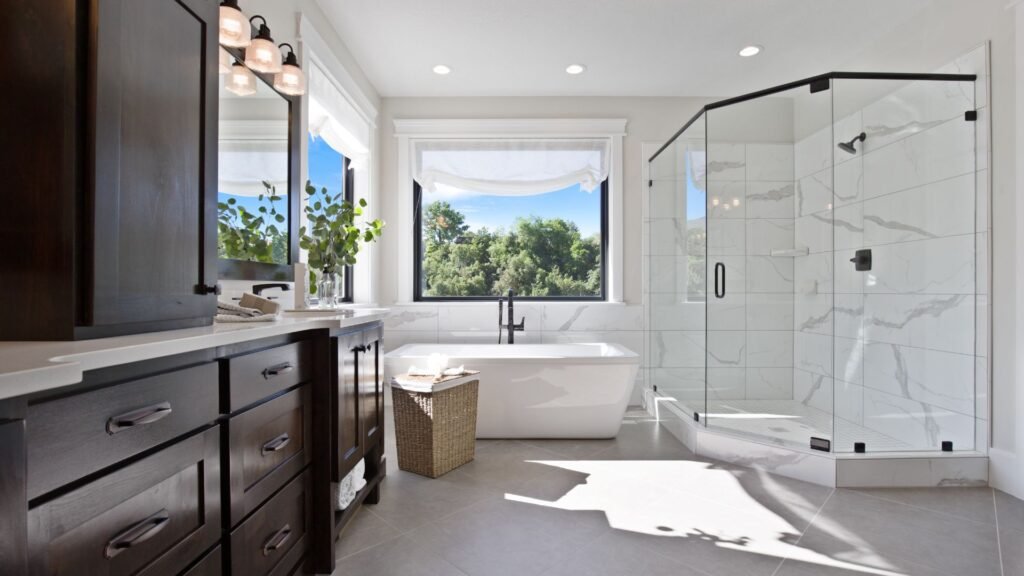
Bathroom Renovation
Bathrooms are compact but complex. Plumbing and waterproofing requirements make them one of the most technically demanding rooms to renovate.
- Low-end: $8,000–$15,000 – This range includes simple renovations with basic fixtures, minimal layout changes, and affordable tiles or vinyl flooring.
- Mid-range: $15,000–$30,000 – Upgrades include frameless showers, tiled walls, better lighting, and mid-range fixtures with improved aesthetics and functionality.
- High-end: $30,000+ – Full luxury bathrooms often include freestanding bathtubs, underfloor heating, custom vanities, designer tiles, and high-end plumbing work.
Plumbing costs can quickly push your renovation past the initial budget, especially if you’re relocating toilets, sinks, or showers. Waterproofing and ventilation must meet strict building codes.
Living Room & Bedrooms
These spaces are more straightforward to renovate and don’t usually involve plumbing or consents. Still, material and finish choices can make a big impact on your budget.
- Typical range: $5,000–$20,000 – This covers new flooring, repainting, lighting upgrades, insulation, and minor cosmetic changes. Larger rooms or heritage homes may cost more if plasterwork or special trims are required.
To keep costs low, reuse existing layouts, retain lighting positions, and focus on DIY-friendly updates like painting.
Outdoor Upgrades (Decks, Patios, Landscaping)
Outdoor improvements boost curb appeal and create usable living space, but can become costly depending on materials, size, and site conditions.
- Cost range: $5,000–$50,000 – Small decks or basic fencing may sit on the lower end, while large hardwood decks, retaining walls, or full landscaping projects can easily climb to the top of this range.
If your project includes permanent structures or affects drainage, you may need council approval. Check with your local authority before building.
Full Home Renovations
A full renovation transforms your entire property. It usually includes structural changes, major system upgrades, and multiple trades working together.
- Starting cost: $150,000+ – This includes extensive work like layout changes, new kitchens and bathrooms, electrical rewiring, plumbing, roofing, and interior finishes across the whole house.
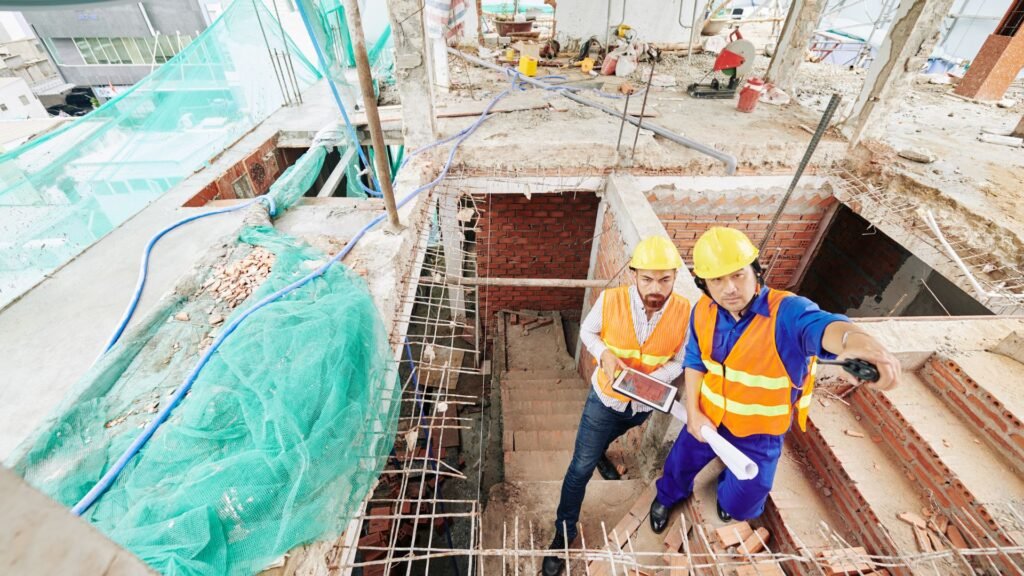
Such projects often require an architect or draftsperson, a project manager, and consent from the local council. Timelines are longer, and costs rise quickly with unforeseen issues like outdated wiring or asbestos.
Renovation costs vary greatly across different areas of your home. Focus on where the value lies for your lifestyle and budget, and plan each space with clear priorities in mind. Being informed about typical costs helps avoid overspending and supports better decisions when working with trades or suppliers.
Hidden & Unexpected Costs To Watch Out For
When planning a home renovation in New Zealand, most homeowners focus on the big-ticket items like materials and labour. But it’s the hidden and unexpected costs that often push projects over budget. These surprise expenses usually show up during the build or just before work begins. Ignoring them can lead to serious delays, extra stress, or financial strain. Here’s a detailed breakdown of the most common hidden costs you should be ready for.
Structural Surprises (Rotten Framing, Asbestos)
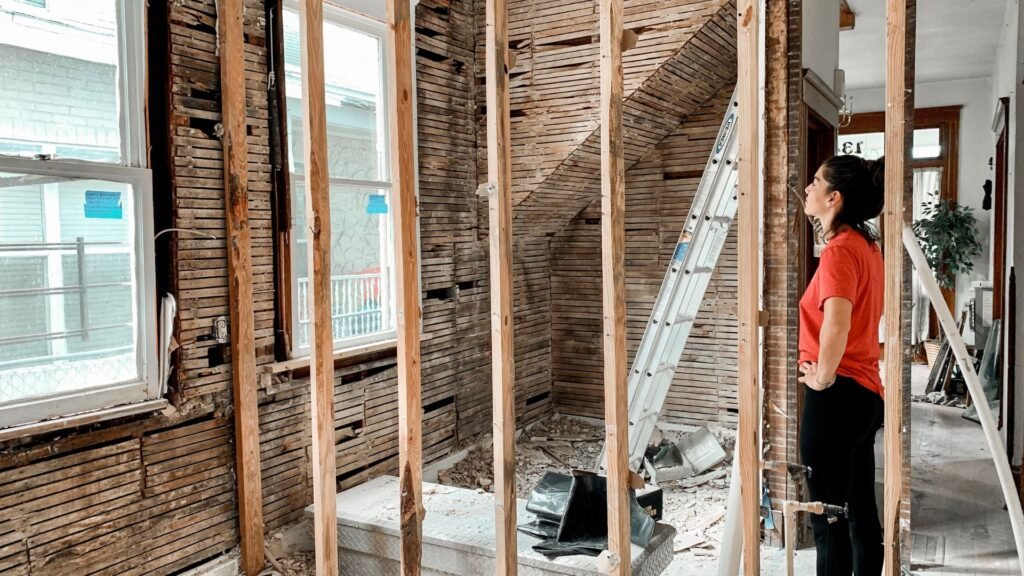
Older homes in NZ often hide issues behind walls, ceilings, or under floors. Rotten timber, damp framing, or outdated wiring may not be visible until demolition starts. If asbestos is found, which is common in homes built before the 1980s, it must be professionally removed. This adds thousands to your budget and may stop work for weeks. Always allow for these possibilities when renovating older properties.
Consents And Compliance (Building Code Updates)
Renovation work may require building consent from your local council, especially if you’re altering plumbing, electrical, or structural elements. Some projects also trigger the need to upgrade parts of your home to meet the latest building code standards, even if those parts weren’t originally included. These updates come with extra costs that many homeowners overlook. Always check consent requirements early.
Demolition And Waste Removal
Getting rid of old materials, tiles, cabinetry, plasterboard, flooring, can be more expensive than expected. Skips, transport, and dump fees all add up. If you’re doing a large-scale renovation, expect to pay more for safe disposal of hazardous materials like asbestos or lead paint. Some councils also have strict waste handling rules, which might impact your timeline and budget.
Design Fees Or Consultants
If your renovation needs an architect, designer, or engineer, their fees can run into the thousands. Even simple layout changes might require official drawings or structural sign-off. Many homeowners skip this step at first and get caught by council requirements or builder limitations later on. It’s smart to factor design and professional fees into your upfront budget.
Temporary Accommodation If Needed
Living through a renovation isn’t always possible, especially if your kitchen or bathroom will be out of use for weeks. In these cases, you may need to stay elsewhere. Hotel stays, Airbnb bookings, or short-term rentals all come with added expenses. If your project is expected to last more than a few weeks, budget for temporary accommodation in advance.
Quick Checklist Of Hidden Costs
To stay prepared, use this simple checklist before starting your renovation:
- Have you checked for asbestos or structural damage?
- Will your renovation require building consent?
- Do you need to update anything to meet the current building code?
- Have you included skip hire and waste removal in your budget?
- Are there fees for a designer, architect, or engineer?
- Will you need to move out during any part of the build?
Being aware of these costs from the start helps you plan smarter and avoid nasty surprises. It also builds trust with your contractor, avoids project delays, and keeps your renovation as stress-free as possible. Always plan for a 10% to 20% contingency to cover the unexpected.
How To Budget For A Renovation In NZ
Planning a renovation in New Zealand? One of the most important steps before lifting a hammer is setting a realistic budget. Without a clear plan, costs can quickly spiral out of control. Whether you’re updating a single room or tackling a full home makeover, smart budgeting helps you stay on track and avoid costly mistakes. Here’s how to do it right.
Start With Your Must-Haves vs. Nice-To-Haves
Begin by listing out everything you need versus what you’d like. Must-haves are essentials like fixing a leaky roof, upgrading unsafe wiring, or replacing outdated plumbing. Nice-to-haves might include underfloor heating, designer tiles, or walk-in wardrobes.
By separating these categories, you can stay focused on your goals and avoid overspending on things that don’t add real value or functionality to your home. If the budget gets tight, you’ll already know where to scale back.
Get 2–3 Quotes
Never settle for just one quote. Reach out to at least two or three licensed builders or renovation companies in your area. Make sure they provide detailed breakdowns so you can compare line by line.
Look for quotes that include materials, labour, permits, and timelines. Ask questions if anything’s unclear. Getting multiple quotes doesn’t just help you find the best price, it helps you set realistic expectations for your budget.
Leave A 10–20% Contingency Buffer
Even the most carefully planned renovation can run into surprises, hidden water damage, structural issues, or supply chain delays. To protect your budget, always add a contingency buffer of 10% to 20%.
If your planned renovation is $80,000, set aside at least $8,000 to $16,000 for unexpected costs. That way, if anything goes wrong, you won’t need to dip into emergency funds or stop work halfway through.
Work With A Licensed Builder Or Project Manager
While DIY might save money on the surface, working with a professional can often save you more in the long run. Licensed builders know the building code, handle permits, and coordinate trades, reducing the chance of costly delays or mistakes.
A project manager can help keep your budget in check by overseeing every part of the job. They’ll ensure quotes are fair, work is up to standard, and timelines are followed.
Always check references, view past projects, and confirm qualifications before hiring anyone.
Explore Financing Options
If you don’t have enough saved to cover the full renovation, there are several financing options available in New Zealand:
- Savings – Ideal for smaller projects or upfront deposits.
- Mortgage Top-Up – If you have equity in your home, you may be able to borrow more through your existing home loan at a lower interest rate.
- Renovation Loans – Offered by most banks, these are personal loans tailored for home improvements. Rates vary, so compare offers carefully.
Talk to your bank or a financial advisor to understand which option suits your situation best. Just be sure the repayment plan fits your income and timeline.
Final Thoughts
Renovating your home can be exciting, but it’s also a major financial decision. The best way to stay in control is to plan ahead. By prioritizing your needs, comparing quotes, adding a contingency, hiring reliable professionals, and securing the right funding, you’ll give yourself the best chance of staying on budget, and finishing your renovation without stress.
If you’re just starting your planning process, consider visiting our homepage to connect with local experts and get personalized renovation advice.
Tips To Keep Renovation Costs Under Control
Renovating a home in New Zealand can quickly become expensive if you’re not careful with your planning and spending. Whether you’re updating a kitchen, redoing a bathroom, or giving your whole house a facelift, it’s possible to keep costs under control without sacrificing quality. Here are five practical tips that Kiwi homeowners can use to stretch their renovation budget further and avoid unnecessary blowouts.
Reuse Or Upcycle Existing Materials
One of the most effective ways to reduce renovation costs is by making use of what you already have. Before replacing anything, ask yourself if it can be reused, repaired, or updated. Existing timber flooring can often be sanded and stained instead of replaced. Old kitchen cabinets can be painted and fitted with new handles. Reclaimed wood, leftover tiles, and even second-hand fittings can all be used creatively to save money while giving your home character. Upcycling not only lowers your expenses but also reduces waste, which is good for your budget and the environment.
Stick To Your Original Plan
Changing your renovation plan once the work has started is one of the fastest ways to drive up costs. Every change, big or small, can mean redoing work, ordering new materials, or booking extra time with tradespeople. To avoid this, make detailed decisions about layout, design, and materials before any work begins. Review plans thoroughly, get quotes in advance, and communicate clearly with your contractor. A well-thought-out plan will help you stay on schedule and within budget.
Do Non-Licensed DIY (Painting, Demo)
Labour is a major part of any renovation budget. While you should never attempt electrical or plumbing work without a licensed professional, there are parts of a renovation you can legally and safely do yourself. Simple tasks like painting, ripping up old carpet, removing fixtures, or even prepping surfaces can be done on your own with the right tools and some guidance. This kind of DIY work can reduce your labour costs significantly while giving you more control over the process.
Shop Around For Materials And Trades
Prices for the same materials can vary greatly between suppliers, especially when it comes to tiles, fittings, flooring, and cabinetry. Don’t settle for the first quote you get. Take time to compare options, check reviews, and look for deals at local hardware stores or online. The same goes for hiring tradespeople. Request at least two to three quotes, ask for references, and choose contractors not just based on price, but on reliability and experience. A good tradesperson can actually save you money by getting the job done right the first time.
Schedule Work During Off-Peak Seasons If Possible
Timing can have a surprising impact on your renovation budget. The busiest time for builders and contractors in New Zealand tends to be spring and summer, when weather conditions are ideal. During these months, demand is higher, and you might pay more or face longer wait times. If your project allows for flexibility, consider booking your renovation during quieter months like late autumn or winter. Some trades may offer discounts or be more available, helping you complete the work faster and potentially for less.
By following these smart and realistic strategies, you can take better control of your renovation costs without cutting corners. Careful planning, informed decisions, and hands-on involvement are the keys to staying within budget while still achieving a high-quality result.
Ready to plan your renovation? Visit our homepage to get expert help, real quotes, and honest advice tailored to your budget.
FAQs: About Home Renovation Costs In NZ
How much does a full home renovation cost in NZ?
A full home renovation in New Zealand typically starts from $150,000 and can go beyond $300,000 depending on the size of the home, location, materials used, and whether structural changes are involved.
What is the average cost to renovate a kitchen in NZ?
Kitchen renovations usually range from $10,000 to $50,000. Basic upgrades may cost $10,000–$25,000, while high-end renovations with custom cabinetry and premium appliances can exceed $50,000.
How much should I budget for a bathroom renovation in NZ?
Expect to pay between $8,000 and $30,000 for a bathroom renovation. Costs vary based on plumbing requirements, tile selection, and whether you’re reconfiguring the layout.
Do I need a building consent for home renovations in NZ?
Building consent is required for structural changes, plumbing modifications, and major alterations. Always check with your local council before starting any work.
Can I renovate a house in NZ for under $50,000?
Yes, small-scale renovations such as painting, flooring, lighting, or a single-room makeover can often be completed for under $50,000. Careful planning and prioritizing are essential.
What are the hidden costs in a renovation project?
Common hidden costs include demolition, structural repairs, asbestos removal, design fees, permit costs, and temporary accommodation if needed during construction.
How long does a typical renovation take in NZ?
Timelines vary, but minor renovations may take 2–4 weeks, while full home renovations can take 3–6 months or more depending on complexity, approvals, and contractor availability.
What’s the most expensive part of renovating a house?
Kitchens and bathrooms are usually the most expensive due to plumbing, electrical work, cabinetry, and fittings. Structural changes and high-end materials also raise costs.
How can I keep renovation costs under control?
Stick to your original plan, get multiple quotes, reuse materials where possible, and build a 10–20% buffer into your budget for unexpected expenses.
Can I do part of the renovation myself in NZ?
Yes, you can handle tasks like painting, demolition, and simple carpentry. However, electrical, plumbing, and structural work must be done by licensed professionals.
Conclusion
Home renovation costs in NZ can vary widely depending on the size of your project, the materials you choose, and where you’re located, but careful planning is what ultimately gives you control over your budget and your results. Whether you’re updating a bathroom, modernising a kitchen, or completely transforming your home, it pays to take your time, do your research, and ask the right questions before committing to any decisions. Rushing through a renovation often leads to unexpected expenses and compromises that could have been avoided with proper preparation. Always get multiple quotes, set a realistic budget with a contingency buffer, and speak directly with licensed builders or renovation experts who can give you clear guidance based on your unique goals. Thinking about renovating? Visit our homepage to get a quote or connect with a trusted builder who can help bring your project to life without the stress.